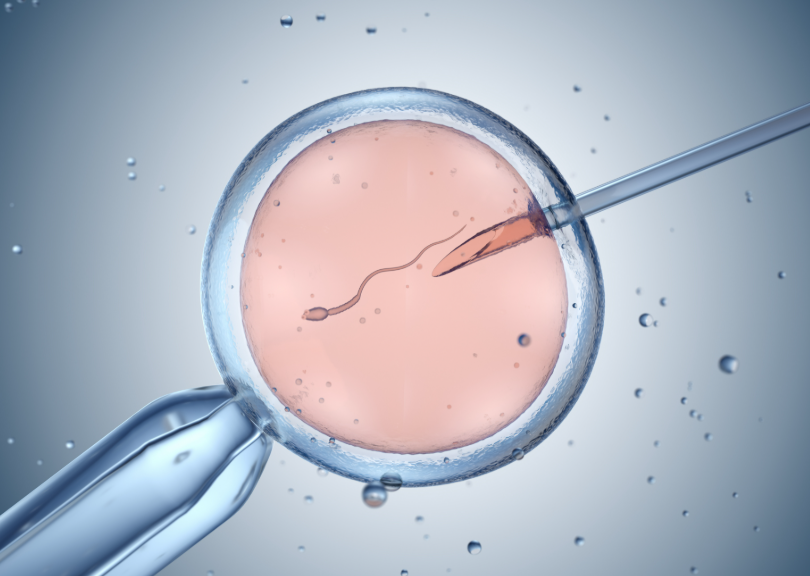
IVF can feel intimidating before you understand it. Between medical terminology, timelines, medications, and emotional weight, many people start the process feeling unsure of what actually happens and how it will feel day to day.
This guide walks you through the IVF process step by step in a clear, supportive way, explaining both the medical stages and the emotional experience. It explains the medical stages while also acknowledging the emotional experience, so you can approach IVF with more clarity and confidence.
What IVF Is and When It’s Recommended
According to the American Society for Reproductive Medicine, IVF, or in vitro fertilization, is a fertility treatment where eggs are retrieved from the ovaries, fertilized in a lab, and then transferred into the uterus as embryos.
IVF may be recommended for many reasons, including:
• Tubal factor infertility
• Male factor infertility
• Diminished ovarian reserve
• Endometriosis
• Genetic concerns
• Unexplained infertility
• Use of donor eggs or sperm
• Fertility preservation planning
While IVF can feel like a big step, it is also one of the most controlled and well-studied fertility treatments available.
Step 1: Initial Consultation in the IVF Process Step by Step Consultation and Testing
The IVF process begins with a detailed evaluation. This helps your care team design a protocol tailored to your body and goals.
Testing usually includes:
• Hormone bloodwork (AMH, FSH, E2, thyroid)
• Baseline ultrasound
• Semen analysis (if applicable)
• Uterine evaluation
• Review of medical and reproductive history
This step often brings relief, because the process becomes specific and personalized rather than theoretical.
Step 2: Ovarian Stimulation
Once your cycle begins, you’ll start ovarian stimulation medications. These injections encourage multiple follicles to grow so that more than one egg can be retrieved.
This phase typically lasts 8 to 12 days and includes:
• Daily injections
• Frequent ultrasounds
• Bloodwork to monitor hormone levels
• Dose adjustments based on follicle growth
Common physical experiences include bloating, mild discomfort, and fatigue. Emotional sensitivity is also common, and it’s important to be gentle with yourself during this time.
Step 3: Trigger Shot and Egg Retrieval
When follicles reach the appropriate size, you’ll receive a trigger shot that prepares the eggs for retrieval.
The egg retrieval happens about 34 to 36 hours later and is:
• A short outpatient procedure
• Performed under light anesthesia
• Typically 15–25 minutes long
Afterward, you may feel cramping, bloating, or grogginess. Most people rest the day of the procedure and resume light activities within a day or two.
Step 4: Fertilization and Embryo Development
After retrieval, the eggs are fertilized in the lab using sperm. Fertilization may happen through conventional IVF or ICSI, depending on the situation.
Over the next several days:
• Embryos develop and are monitored
• Some may stop growing (this is normal)
• Viable embryos continue to day 3 or day 5
This waiting period can feel emotionally intense, as updates often come slowly and outcomes are unpredictable.
Step 5: Genetic Testing (Optional)
Some patients choose to genetically test embryos before transfer. This can help identify chromosomally normal embryos and may reduce miscarriage risk for certain individuals.
Genetic testing is optional and depends on factors such as:
• Age
• Medical history
• Prior IVF outcomes
• Personal preferences
Your doctor can help you decide whether this step makes sense for your situation.
Step 6: Embryo Transfer
Once embryos are ready, one is transferred into the uterus during a simple procedure that does not require anesthesia.
The transfer itself is usually quick and painless, similar to a pap smear. Afterward, you may be advised to take progesterone to support implantation.
Step 7: The Two-Week Wait
After transfer, there is a waiting period before pregnancy testing. This phase is often described as the most emotionally challenging part of IVF.
During this time, many people experience:
• Heightened anxiety
• Symptom spotting
• Emotional ups and downs
• A desire for reassurance
Support, routine, and boundaries around testing can help make this period more manageable.
Step 8: Pregnancy Testing and Next Steps
Blood tests are used to confirm pregnancy and monitor early hormone levels. If the cycle is successful, your clinic will continue monitoring until care transitions to an obstetric provider.
If the cycle is not successful, your care team will review results and discuss next steps, which may include additional transfers or protocol adjustments.
Emotional Realities of IVF
IVF is not just a medical process. It can impact identity, relationships, and emotional well-being.
Common emotional experiences include:
• Hope and anticipation
• Grief or disappointment
• Relief at having a plan
• Feeling out of control at times
All of these feelings are valid. IVF is a journey, not just a procedure. Understanding the IVF process step by step can make the journey feel more manageable and far less overwhelming.
Final Thoughts
Understanding the IVF process step by step can make the experience feel far less overwhelming. While the path is not always predictable, clarity and preparation can help you approach each phase with confidence and self-compassion.
Whether IVF is part of your current plan or something you are still exploring, having accurate and supportive information allows you to make decisions that feel informed and aligned with your goals. Having a clear IVF process step by step explanation helps many people feel more confident and prepared throughout treatment.