(What to Know Before You Buy)
If you’re trying to better understand your cycle, planning ahead, or simply want more insight into your fertility, at home fertility tests have become a popular starting point for women researching the best at home fertility tests for women before visiting a doctor. These tests don’t diagnose conditions or replace medical care, but they can help many women track hormones, ovulation patterns, and cycle timing from home.
Below, we’ll walk through some of the most commonly used at-home fertility testing options, what they measure, and who they may be best suited for.
What At-Home Fertility Tests Can (and Can’t) Do
At home fertility tests are designed to provide information, not diagnoses. Depending on the type, they may help you:
• Track ovulation timing
• Monitor hormone fluctuations
• Confirm ovulation after it occurs
• Understand cycle regularity
They cannot diagnose infertility, PCOS, or other medical conditions. If you have concerns about fertility, irregular cycles, or hormone health, a healthcare provider is always the right next step.
Popular At-Home Fertility Testing Options
Below are three widely used options women often explore when starting fertility tracking at home.
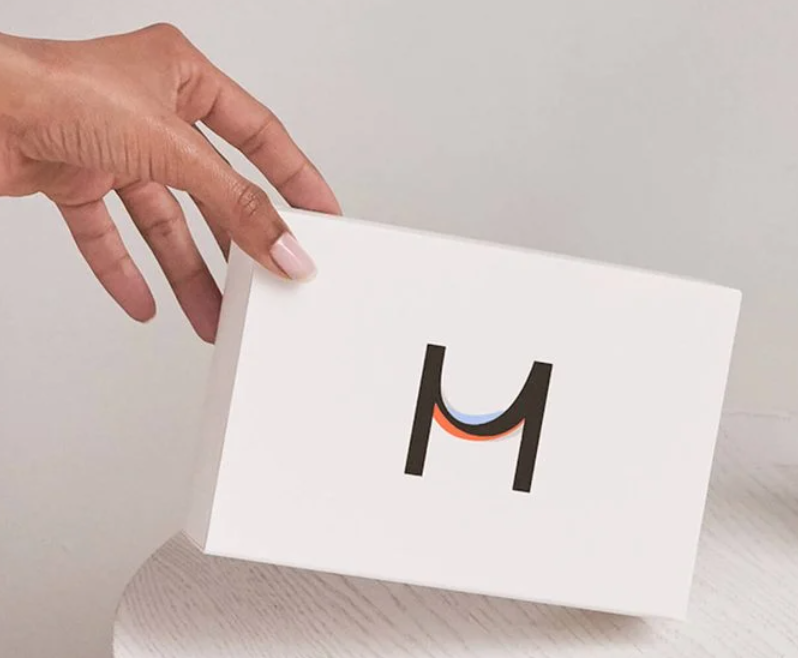
Modern Fertility At-Home Hormone Test
This test focuses on hormone levels that play a role in ovarian function and cycle health. It’s often used by women who want a broader snapshot of where their hormones stand.
Best for:
Women looking for a hormone overview rather than daily tracking
What it may help with:
• Understanding baseline hormone levels
• Supporting informed conversations with a doctor
• Long-term fertility planning
Check current availability on Amazon
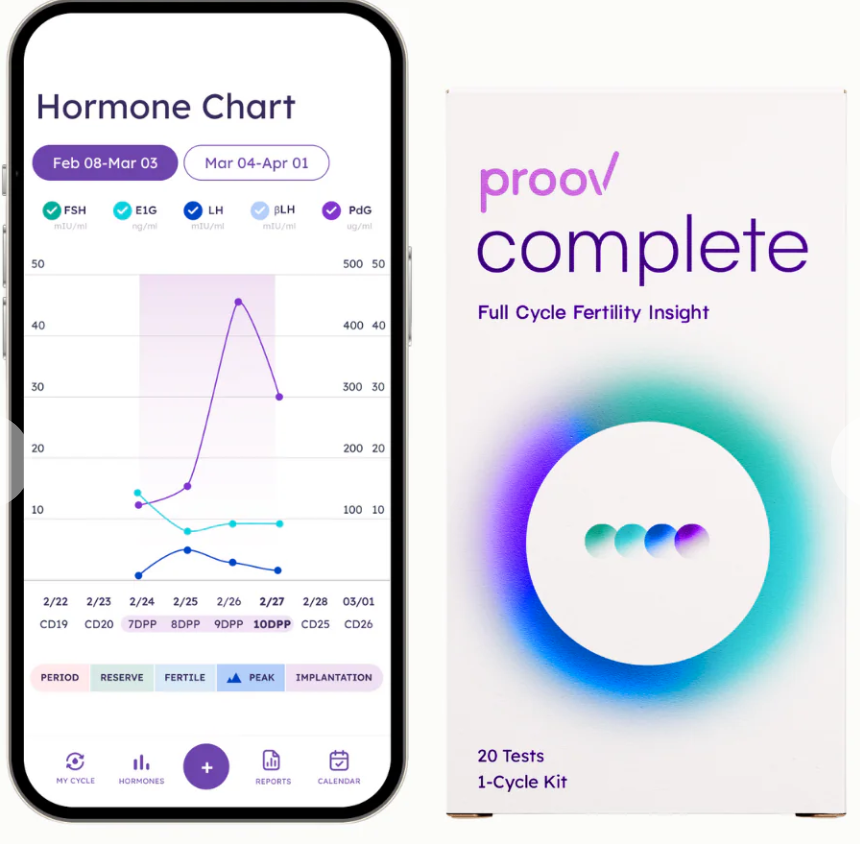
Proov PdG Progesterone Test
Progesterone rises after ovulation. The Proov PdG test is designed to help confirm that ovulation has already occurred during a cycle.
Best for:
Women tracking ovulation consistency or cycle confirmation
What it may help with:
• Confirming ovulation timing
• Understanding luteal phase patterns
• Cycle awareness
View Proov progesterone test options on Amazon.
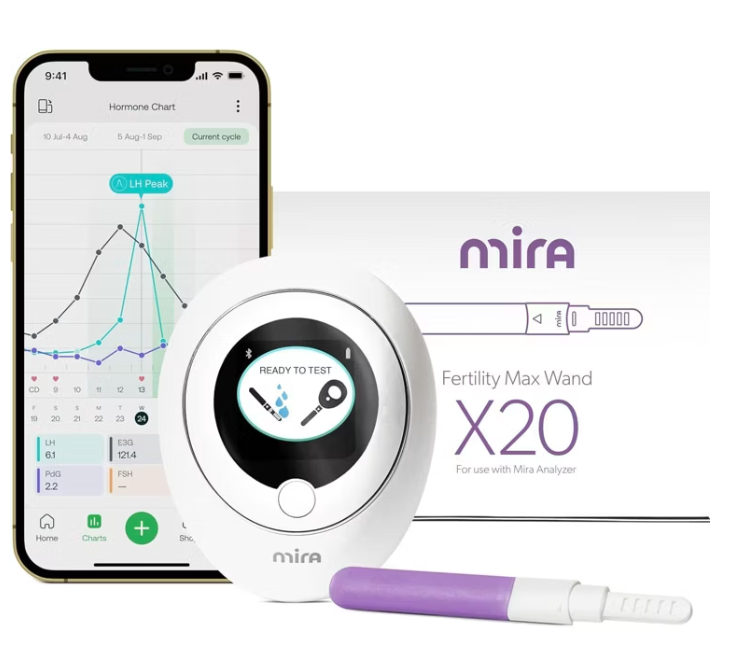
Mira Fertility Analyzer
Mira combines reusable hardware with disposable test wands to track hormone trends across cycles. It’s typically used by women who want more detailed daily data.
Best for:
Women who prefer data-driven cycle tracking
What it may help with:
• Monitoring hormone trends over time
• Identifying fertile windows
• Long-term cycle insights
See the Mira fertility tracking system on Amazon.
Want to Compare More Options?
There are many fertility tests available, and the best choice depends on your goals, comfort level, and budget. Check our page on Fertility testing 101 for a full overview. Learn more about AMH here and what your numbers mean. Learn more about hormone cycles from Cleveland Clinic.
Browse additional at-home fertility test options here:
See fertility test options on Amazon
Choosing the Right Test for You
When deciding which option to explore, consider:
• Are you tracking ovulation timing or hormone trends?
• Do you prefer one-time testing or ongoing monitoring?
• Are you early in fertility planning or actively trying to conceive?
No at-home test is one-size-fits-all. Many women start with one method and adjust over time based on what feels helpful.
FAQs
- Are at home fertility tests accurate?
- At home fertility tests can be accurate for what they are designed to measure, such as specific hormones or ovulation timing, when used correctly. However, accuracy can vary based on the type of test, timing within the cycle, and how consistently instructions are followed. These tests are best used as informational tools rather than definitive assessments of fertility.
- When should you take a fertility test?
- The best time to take a fertility test depends on the type of test and what it measures. Some hormone tests are taken on specific days of the menstrual cycle, while ovulation-related tests are used around the expected fertile window. Following the manufacturer’s timing instructions is important for meaningful results. Women with irregular cycles may need additional guidance.
- Can fertility tests replace a doctor visit?
- At home fertility tests cannot replace a visit with a healthcare professional. While they may provide helpful insights into cycle patterns or hormone levels, they do not diagnose medical conditions or identify underlying causes of fertility challenges. A doctor or specialist can offer comprehensive testing, interpretation, and personalized guidance.
Disclosure: This article contains affiliate links. If you purchase through these links, I may earn a commission at no additional cost to you.